
Visible or Recurring Growth
Discoloration that returns after cleaning often points to unresolved moisture or contamination within a nearby material.
Serving Denver, Colorado & surrounding areas
Mon–Fri 8am–6pm · Sat 9am–2pm
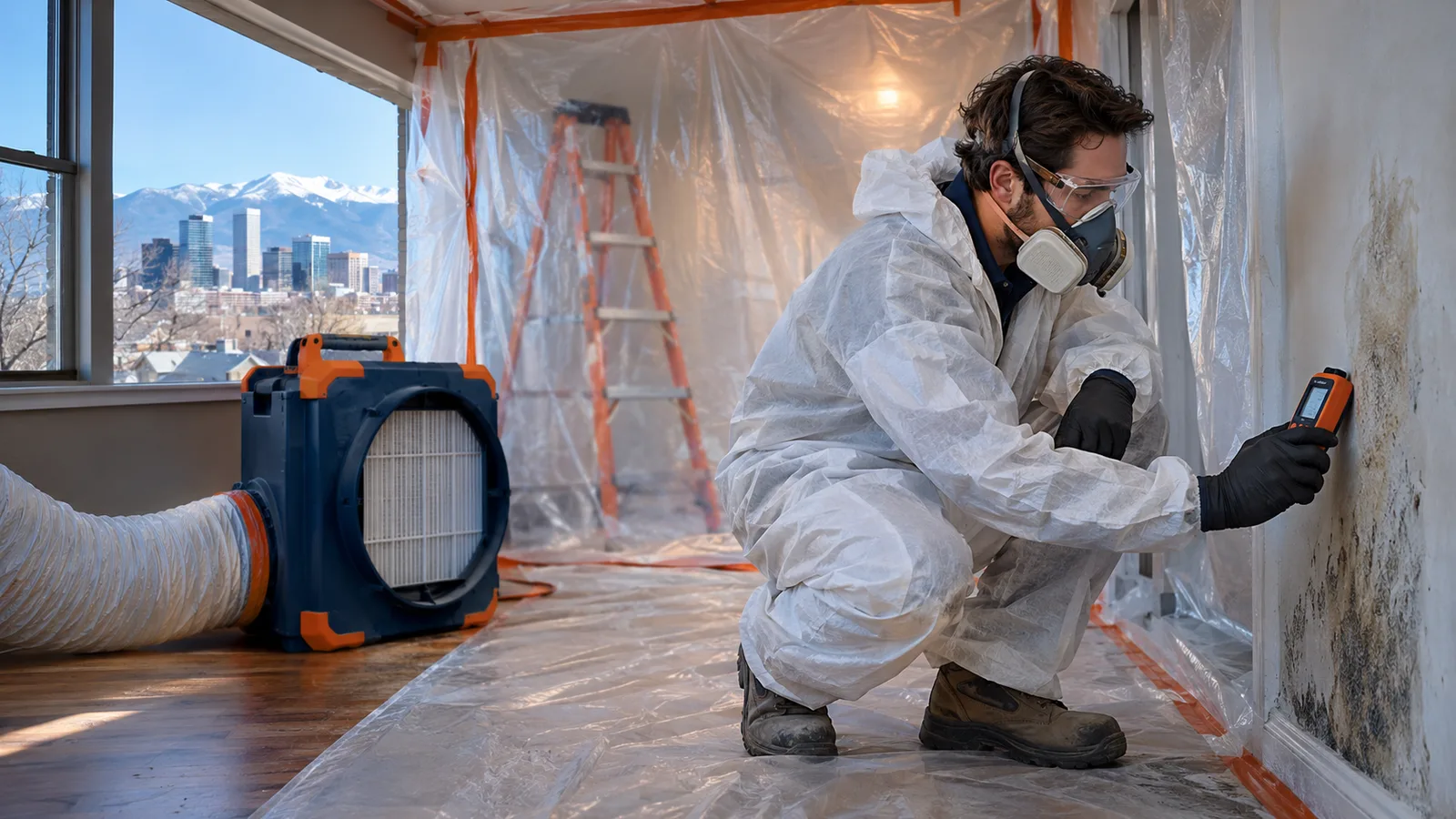
Mold remediation · Denver, Colorado
Find the moisture source, contain affected areas, and remove contaminated materials with a clear plan built around your property.
Source-first remediation
Denver mold remediation should begin with two questions: where is the moisture coming from, and how far has the growth spread? Surface cleaning alone may leave contamination inside drywall cavities, beneath flooring, around windows, or near plumbing. Mold Abatement Denver evaluates visible growth, moisture patterns, building materials, and the history of the affected area before recommending work.
We are an experienced mold abatement team in Denver that plans the work around the property rather than applying one method to every job. That may mean isolating a small bathroom area, establishing containment around a finished basement, or coordinating a larger commercial project in phases. The goal is to remove affected porous material when it cannot be cleaned, treat salvageable surfaces appropriately, and correct the condition that allowed growth to develop.
Denver properties face distinct moisture events. Snowmelt can expose roof, flashing, or foundation leaks. Summer storms can send water into basements and lower levels. Frozen or failed plumbing can wet wall and ceiling cavities, while evaporative coolers and poorly vented bathrooms may create recurring moisture. Prompt drying matters because hidden dampness can continue after a surface appears dry.
Conditions worth assessing
Discoloration that returns after cleaning often points to unresolved moisture or contamination within a nearby material.
A persistent earthy odor may justify investigating wall cavities, cabinets, flooring, crawl spaces, or mechanical areas even when growth is not visible.
A roof leak, plumbing failure, appliance overflow, sewer event, or basement intrusion can affect materials beyond the obvious wet area.
Buyers, sellers, landlords, and property managers may need a defined scope when an inspection identifies suspected growth or past moisture damage.
Remediation can reduce mold contamination, but medical symptoms should be discussed with a qualified healthcare professional rather than diagnosed by a contractor.
Offices, retail spaces, and multifamily buildings benefit from phased containment and scheduling that limits access to the active work zone.
Controlled removal
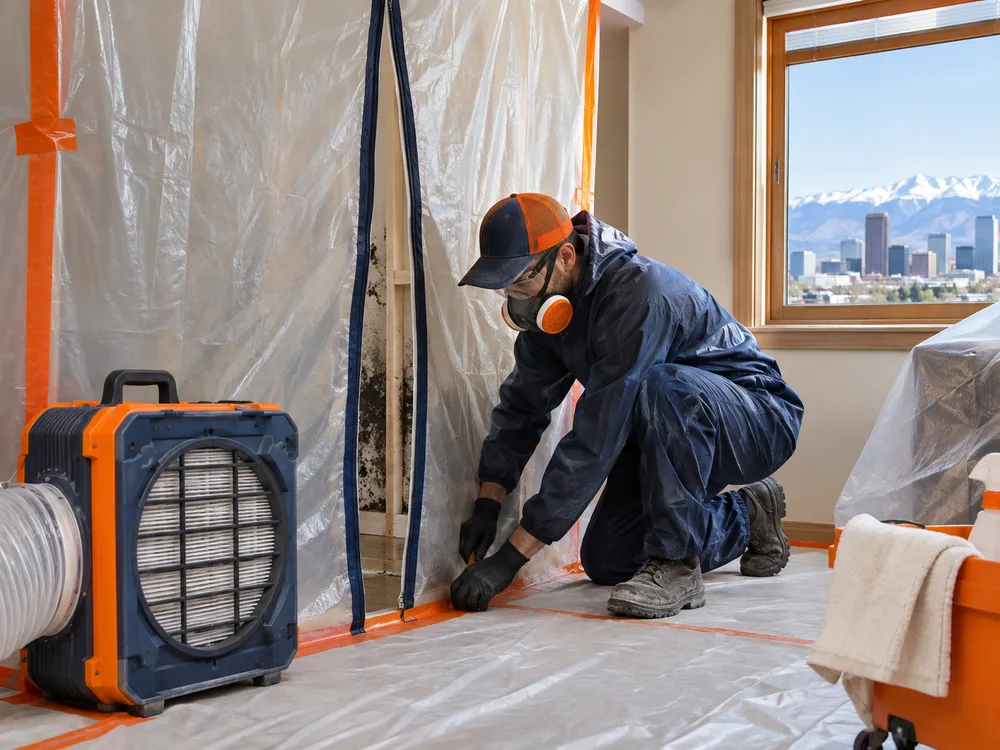
Disturbing moldy drywall, insulation, or carpet can release particles into the air. Before demolition starts, the work area should be separated from unaffected rooms. Depending on the scope, technicians may use polyethylene barriers, sealed penetrations, negative air pressure, and HEPA-filtered air scrubbers. Workers also use personal protective equipment selected for the conditions.
Porous materials such as drywall, insulation, ceiling tile, and carpet pad often require removal when contamination is established. Nonporous and some semi-porous materials may be cleaned using HEPA vacuuming, damp wiping, or other methods appropriate to the surface. Indiscriminate spraying, painting over growth, or relying on bleach does not correct wet materials or remove contaminated porous material.
Older housing in Capitol Hill may contain layered finishes and concealed cavities that require careful investigation before disturbance. Washington Park properties often combine older original construction with renovated rooms, so moisture can travel across different assemblies. In Park Hill, finished basements and additions can create several possible paths for a leak. Commercial and converted residential buildings in Five Points may require access planning that accounts for shared walls, tenants, and occupied spaces. The actual scope depends on observed conditions, not the neighborhood alone.
Inspection to completion
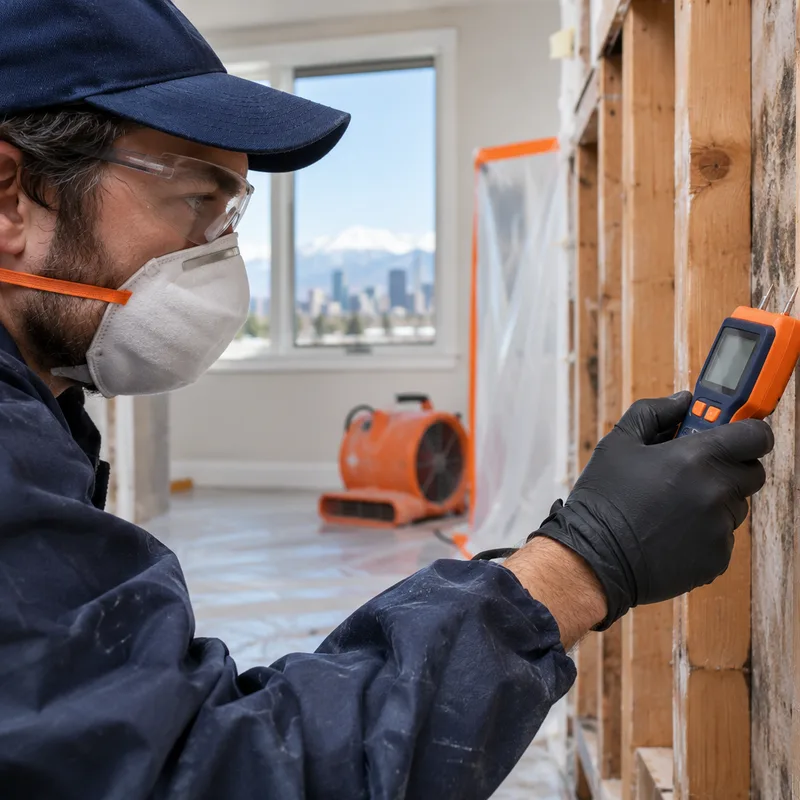
The first visit reviews visible conditions, water history, material damage, access, and moisture readings. When contamination is concealed or the source is uncertain, additional investigation or independent sampling may be appropriate.
A plumbing leak, roof defect, drainage problem, condensation issue, or ventilation deficiency must be corrected. Remediation performed while materials remain wet is unlikely to hold.
The crew isolates the work zone, protects travel paths, establishes air control when required, and plans how contaminated debris will leave the building.
Unsalvageable materials are removed using controlled methods. Remaining framing and other suitable surfaces are HEPA vacuumed and cleaned according to their condition and material type.
The treated area is dried, visually reviewed, and checked for remaining dust or debris. Larger or sensitive projects may use an independent environmental professional for post-remediation verification.
Once the area meets the agreed completion criteria, containment can be removed and reconstruction can begin. Replacement finishes should wait until the moisture source is fixed and the assembly is dry.
Property-specific planning
A sound remediation plan identifies the affected rooms, materials to be removed, items that can be cleaned, containment boundaries, air-control methods, and completion criteria. It should also state whether reconstruction is included or handled separately. This distinction matters because mold removal and rebuilding are different phases of work.
Testing is useful in some situations, but it is not automatically required when visible mold has a clear moisture source. An independent industrial hygienist or environmental consultant may be helpful when contamination is disputed, the property has sensitive occupants, a commercial protocol is required, or third-party clearance is requested. When testing is used to define or verify a project, keeping assessment independent from remediation can reduce conflicts of interest.
Denver's dry outdoor air can help drying under suitable conditions, but it does not make wet cavities safe to close. Technicians use moisture meters and direct observation to determine whether materials have dried. Temperature, material density, airflow, and the amount of absorbed water all affect the schedule.
Scope and pricing
Denver mold remediation typically costs about $1,500 to $6,000 for a contained residential project, while extensive contamination across several rooms, HVAC components, or structural cavities can cost $10,000 or more. Small, accessible areas may fall below the typical range.
Final price depends on affected square footage, material removal, containment, equipment time, access, disposal, source correction, testing, and reconstruction. Commercial scheduling or hazardous-material precautions can also change the scope. The exact cost is confirmed after an inspection defines the affected area and work plan.
Get a written scope that identifies the affected materials, containment plan, moisture concern, and completion criteria before removal begins.
Book Your Free InspectionHomeowner questions
A contained residential project often takes several working days, but drying, clearance, and repairs can extend the schedule. The amount of material removed, access to wall or ceiling cavities, and whether the moisture source has been corrected all matter. A Denver basement affected by a plumbing leak may need additional drying time before new drywall is installed.
Testing is not always necessary when visible growth and its moisture source are clear. Sampling can be useful when the suspected contamination is hidden, parties dispute the extent, or a commercial protocol requires documented results. For sensitive or contested projects, an independent environmental consultant can define sampling and clearance criteria.
Occupancy depends on the location, size, containment plan, and the needs of the people in the property. A small isolated area may allow normal use of the rest of the home, while extensive work or loss of essential rooms may make temporary relocation practical. The work plan should identify access restrictions before a Denver project starts.
Mold is less likely to return when contaminated material is properly addressed and the moisture source is corrected. Recurring roof leaks, plumbing seepage, condensation, or poor ventilation can create new growth even after good remediation. Follow-up care may include monitoring humidity, maintaining exhaust ventilation, and checking repaired areas after snowmelt or heavy storms.
Reconstruction is included only when it is specifically listed in the written scope. Remediation commonly covers containment, removal of affected materials, cleaning, drying, and debris handling. New drywall, paint, trim, flooring, cabinetry, or insulation may be priced as a separate repair phase.
Walls do not always need to be opened, but concealed contamination or wet insulation may require access. Moisture readings, visible damage, odors, and the path of the original leak help determine whether investigation is warranted. Cutting unnecessary openings can spread dust, so the decision should be made within a containment plan.
Coverage depends on the policy and the cause of the water damage. A sudden covered plumbing loss may be treated differently from long-term seepage, deferred maintenance, or repeated condensation. Denver property owners should document the damage promptly and ask their insurer what inspection, mitigation, and claim records are required.
Plan the next step
Tell Mold Abatement Denver what you have seen, smelled, or recently repaired. The next step is a practical assessment and a scope based on the affected materials and conditions.